Urban Residential Infill Feasibility Review

The City of Whitehorse and the Government of Yukon are studying 14 City-owned sites and 12 Yukon Government-owned sites in Whitehorse neighbourhoods to determine if they could be used for future housing.
The feasibility studies will assess the ground conditions, environmental considerations, infrastructure capacity and heritage impacts of each potential site.
The results will help identify which sites may be suitable for future residential development. Completing a feasibility study doesn’t mean a site will be developed, it only provides information to support future planning and decision making. Subsequent work will include opportunities for public input.
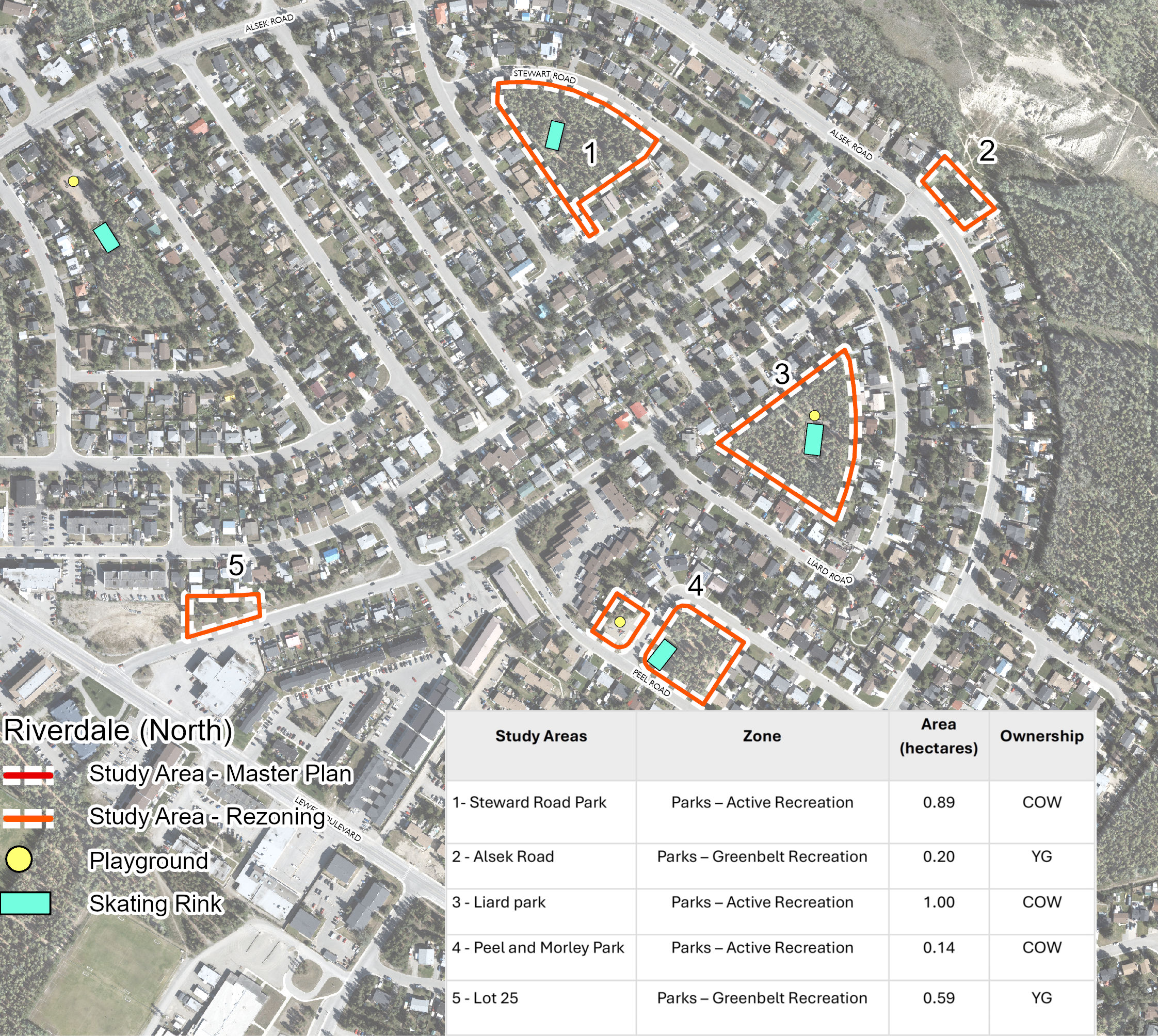
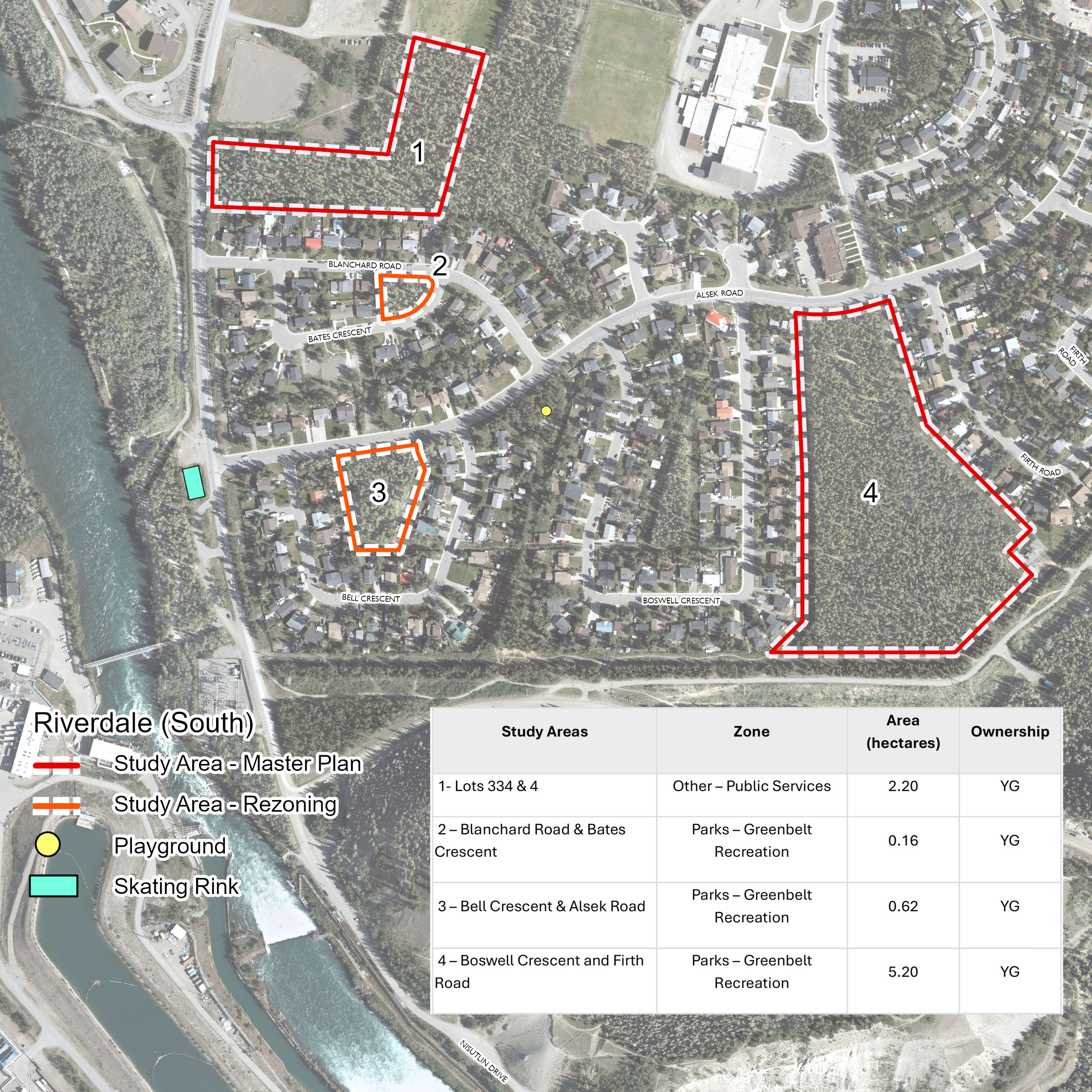
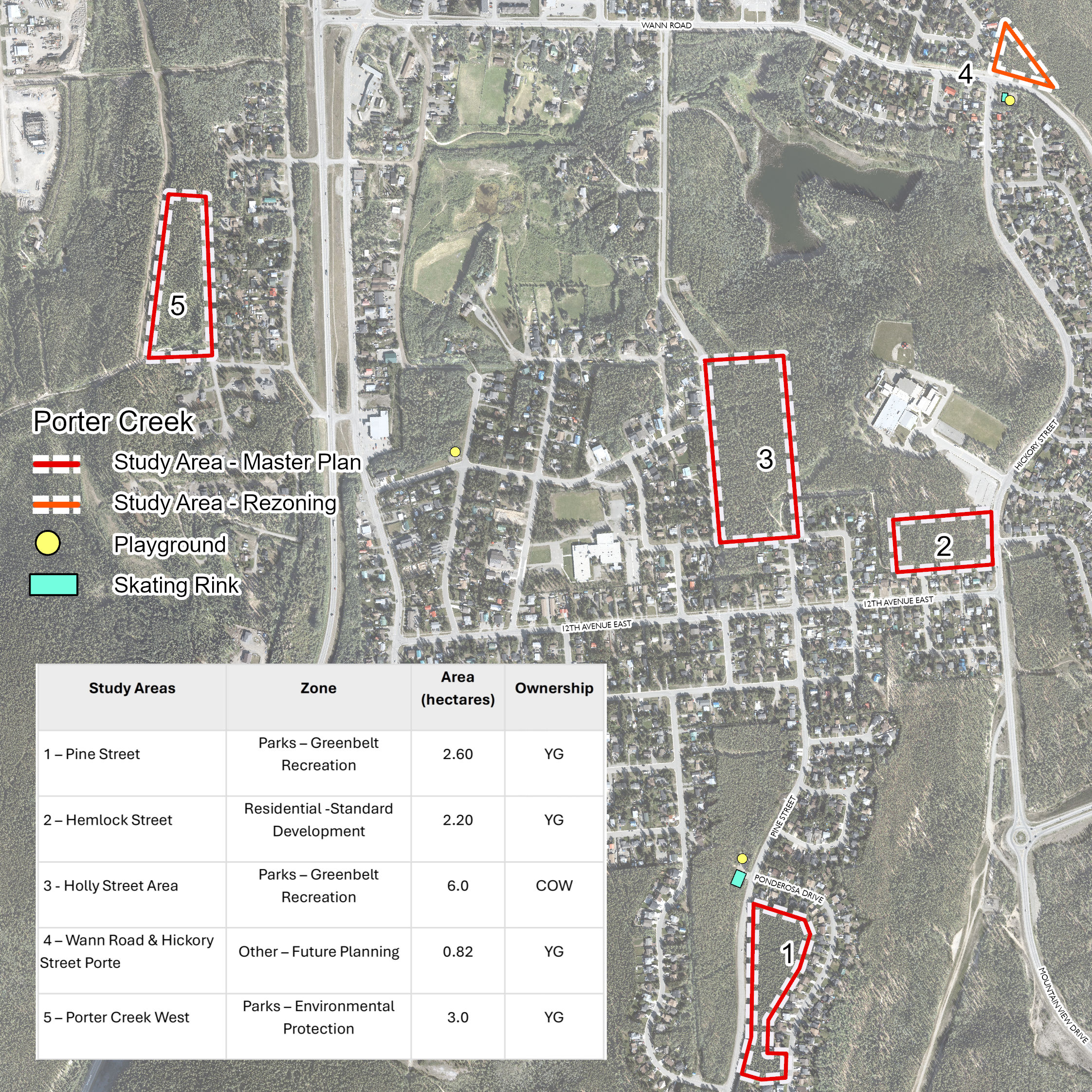
Here you can find FAQs and other information about the project, including maps below of the areas being studied. You can also ask questions about the project below.
Why is this work important?
Whitehorse is growing, and more housing is needed to meet the diverse needs of current and future residents. The 2026 Whitehorse Housing Needs Assessment estimates that about 9,715 new homes will be needed by 2041.
Meeting this demand will require a mix of new neighbourhoods and new housing within existing neighbourhoods. The Urban Residential Infill Feasibility Review is one potential way to help increase housing supply by making better use of existing land and infrastructure.
Increasing housing in existing neighbourhoods can help provide a more consistent and predictable supply of homes while making efficient use of City services and infrastructure.
Benefits of Infill Development
Well-planned infill development can help meet growing housing needs while supporting the City’s long-term financial sustainability. It can also:
- Limit urban sprawl and preserve wilderness spaces longer;
- Provide a diversity of housing types in all neighbourhoods;
- Support active transportation and public transit;
- Improve viability of quality transit service; and
- Reduce the need for costly new infrastructure, helping manage long-term operating and capital costs.
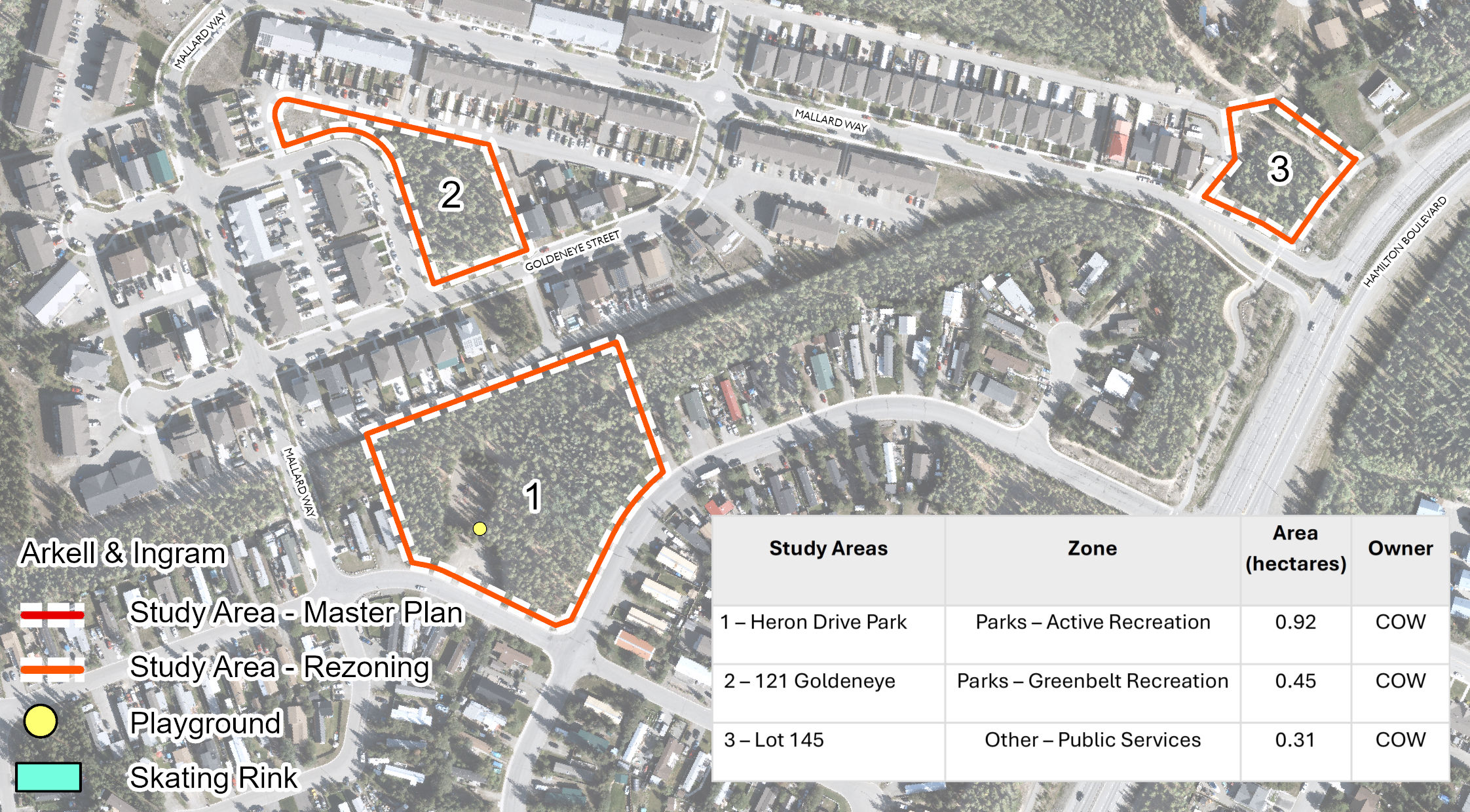
Copper Ridge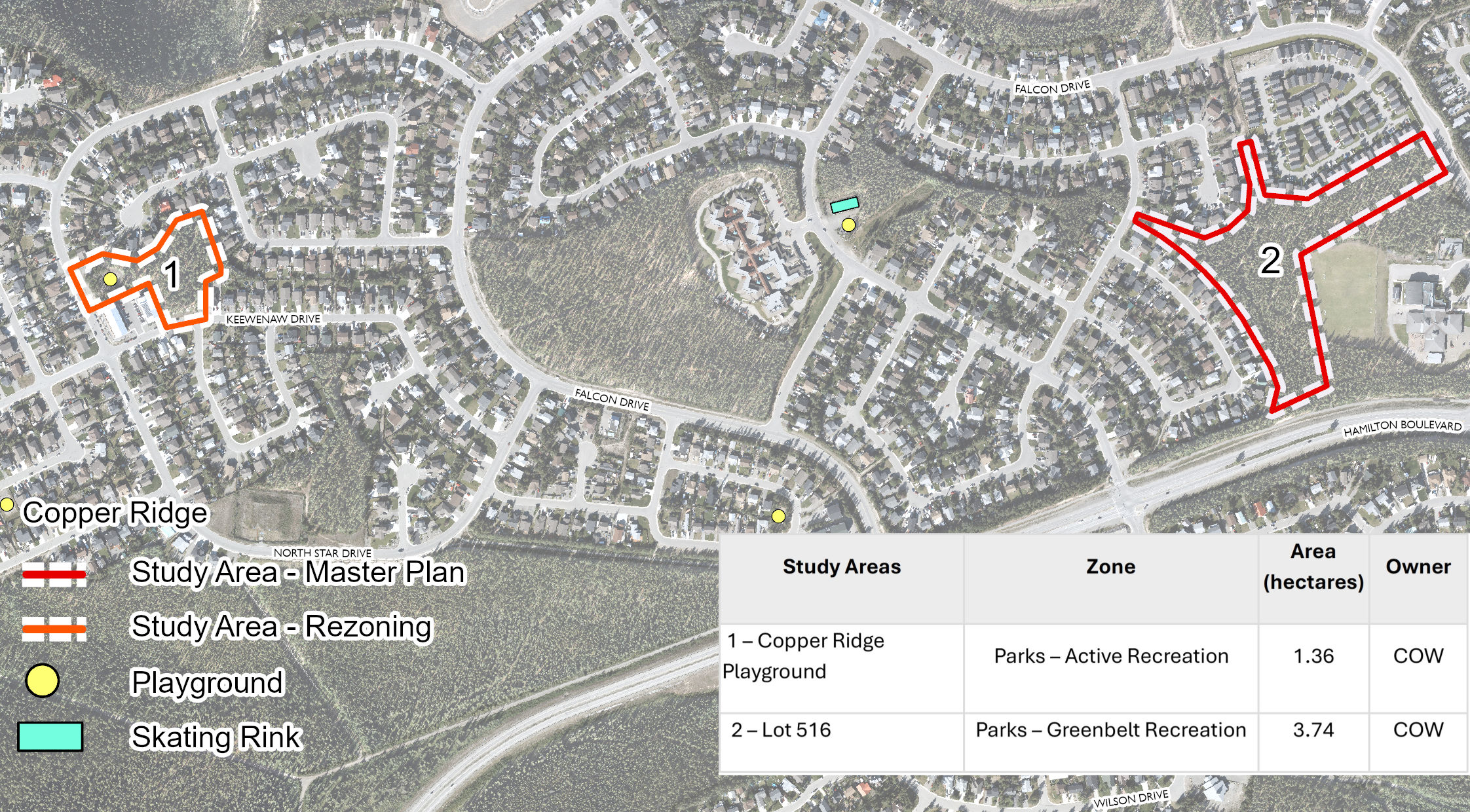
Crestview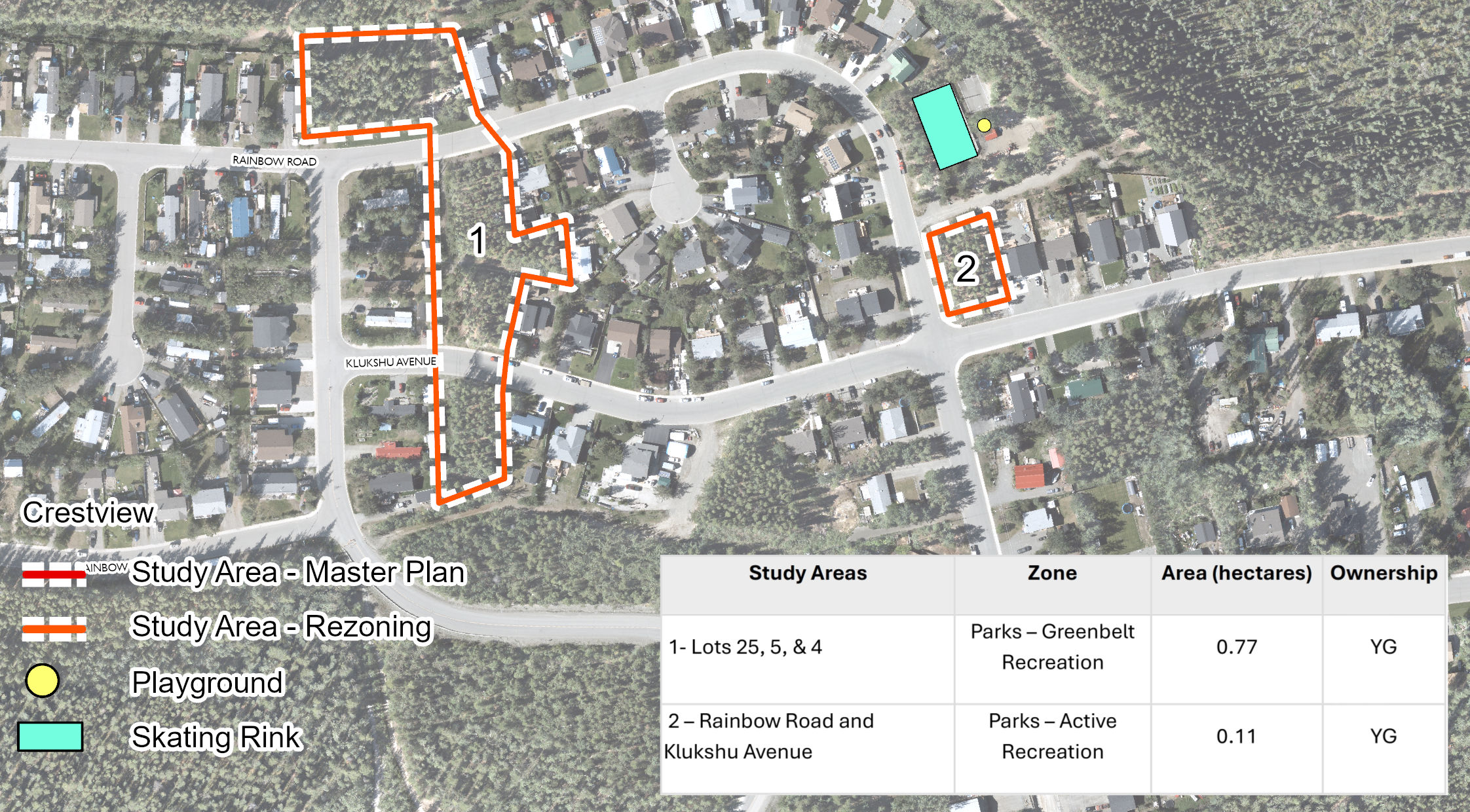
Granger
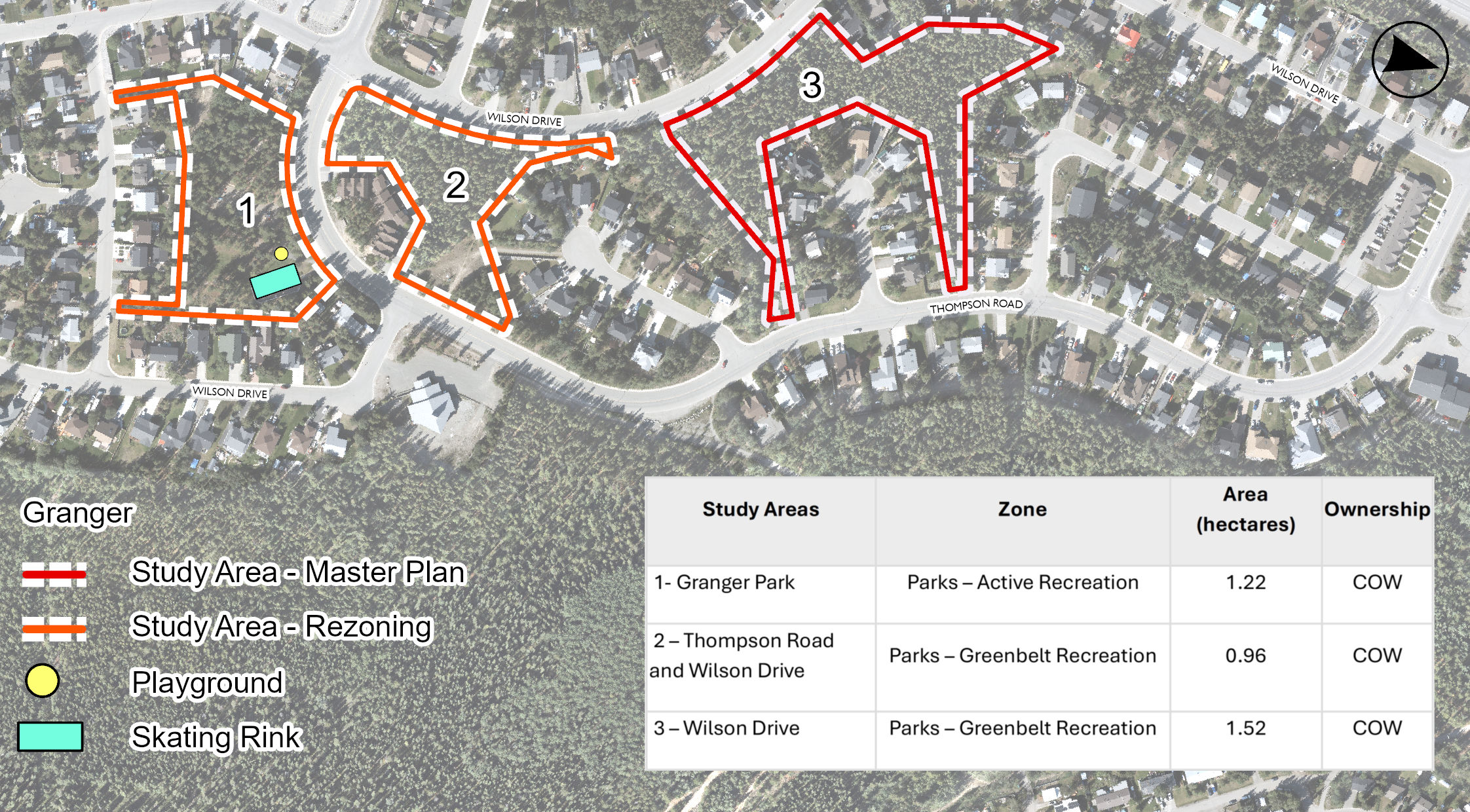
Hillcrest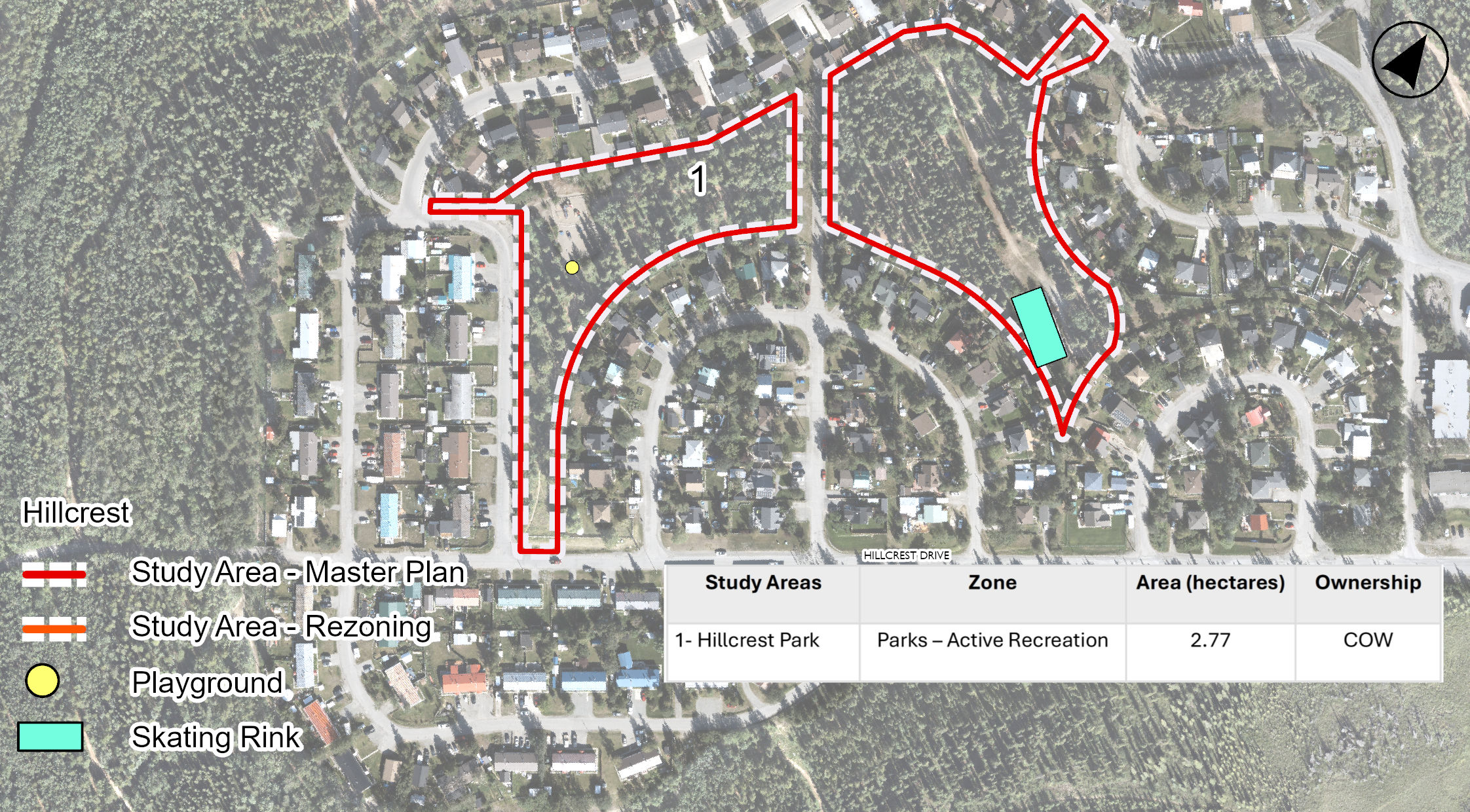
Riverdale (North)
Riverdale (South)
Porter Creek
Takhini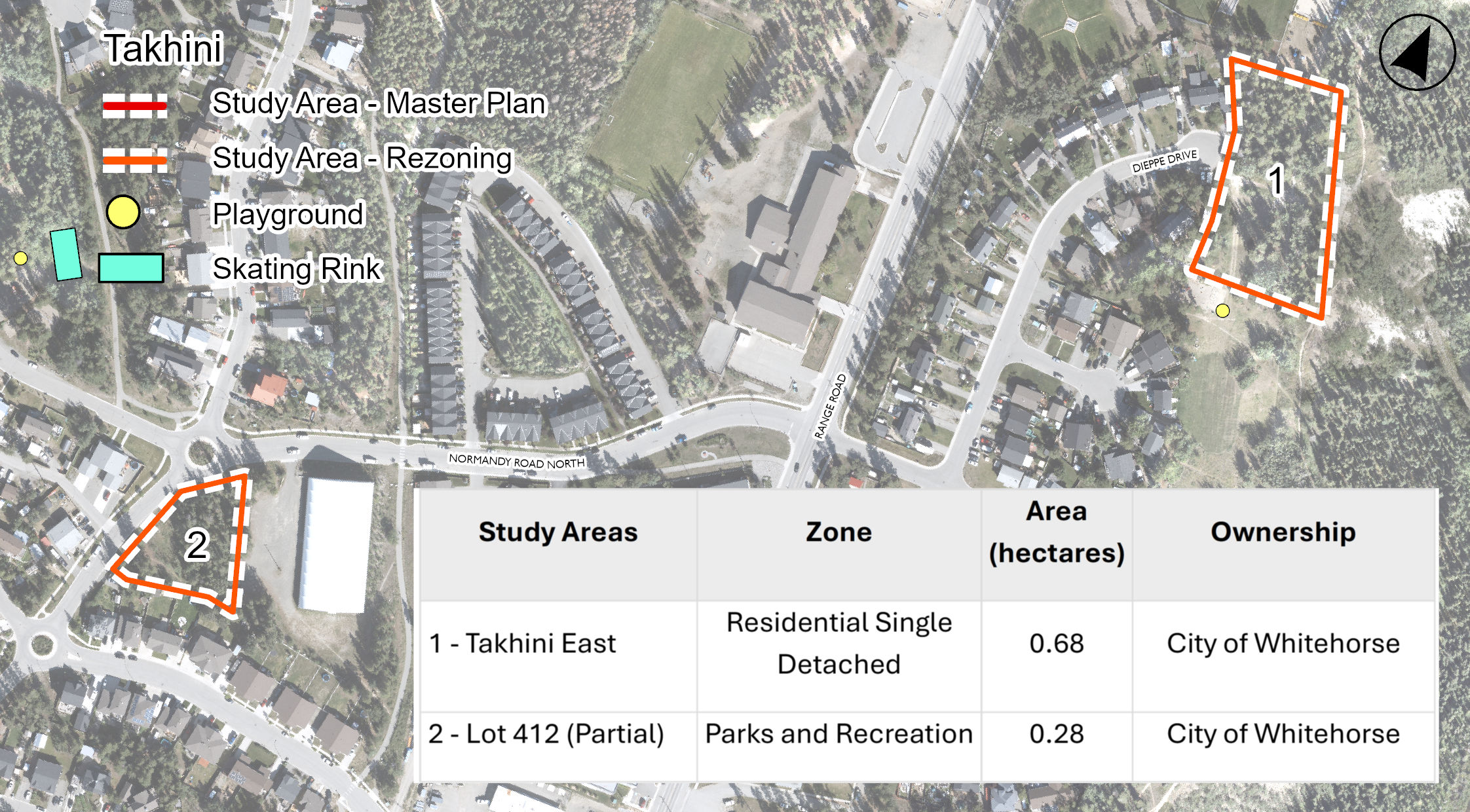
-
 Council Documents
-
 2026-03-16 - Holly Study Area Location Map.pdf (494 KB) (pdf)
-
2026-03-16 Commencement Report - Holly Resiential Area Master Plan.pdf (110 KB) (pdf)
-
2026-03-16 Commencement Report - Urban Residential Infill Project (City Land).pdf (170 KB) (pdf)
-
2026-03-16 Study Area Maps by Neighbourhood.pdf (3.59 MB) (pdf)
-
2026-03-16 Commencement Report - Urban Residential Infill Project (City Land).pdf (170 KB) (pdf)
-
